
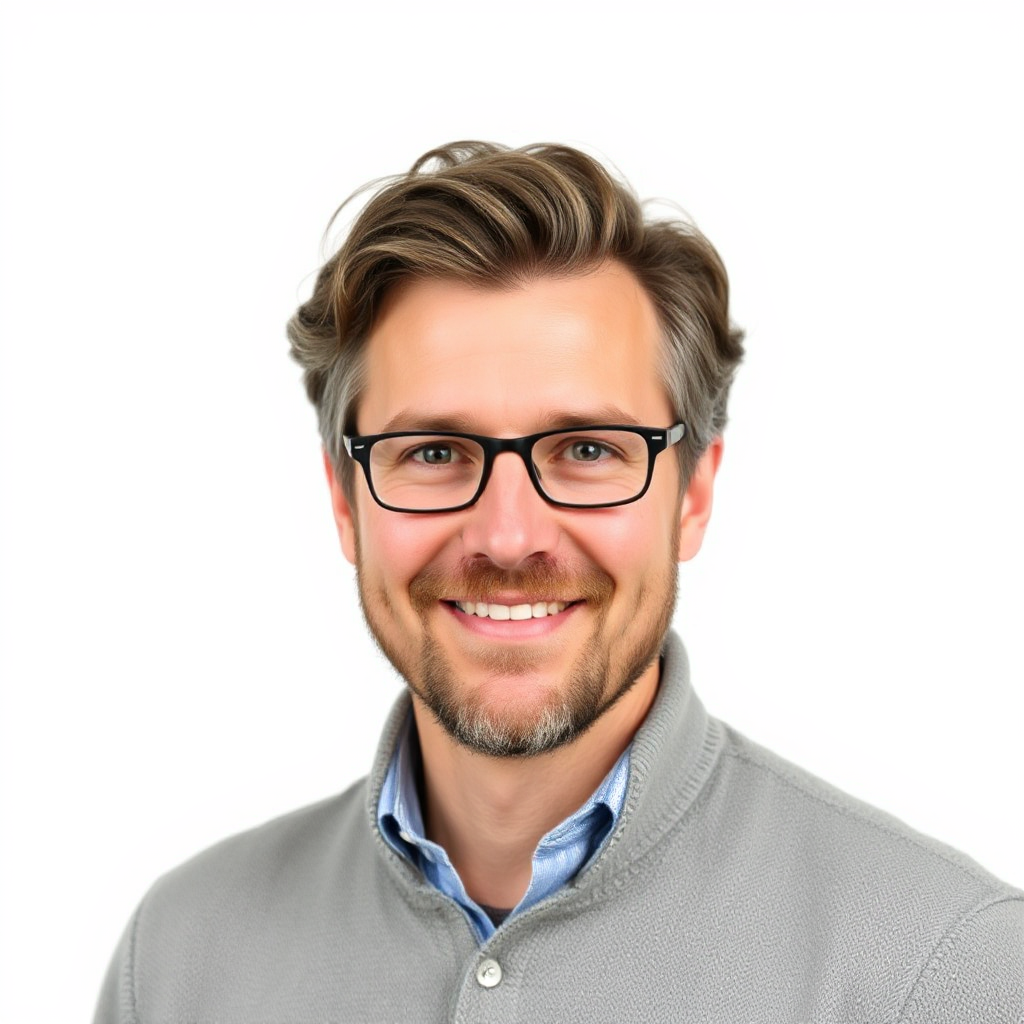
The deceased US second-in-command Dick Cheney, who has died at the age of 84, was seen as among the most influential holders of that position in US history. Although numerous VPs were limited to peripheral or symbolic functions, Cheney exercised huge influence during the term of George W Bush, to the point that he was often referred to as the "actual president".
Bush disliked such a characterisation and stated the relationship was more nuanced. He noted that Cheney was deferential, consistently calling him in public as the President, while he called him as Dick. Bush disputed even portrayals of their relationship as a partnership because it implied that they were equals. In spite of these denials, Cheney considered the easygoing president accommodating on a whole raft of policy decisions.
A Period Following the Attacks
In charge of a faction of neo-cons that encompassed Pentagon chief Donald Rumsfeld and assistant defense secretary Paul Wolfowitz, he vigorously promoted the military intervention of Iraq in 2003 in answer to the terrorist strikes on New York and Washington. At the time of the 9/11 attack, Bush had been participating in a meeting at a school in Florida. Whereas Bush made his way to a secure location in Nebraska, Cheney assumed control, ordering the destruction of any non-communicating airplanes approaching the government building.
Cheney claimed the assaults transformed him, leading him to become determined on retaliation. Together with other neo-conservatives, including Rumsfeld and Wolfowitz, he advocated for a occupation of Afghanistan in an attempt to seize Osama bin Laden. Cheney then strongly advocated for the armed intervention of Iraq, although there was insufficient indication of Saddam Hussein having involvement.
Disputed Policies
He expressed no regrets about the armed intervention, in which an approximated 100,000 Iraqis lost their lives, nor about the harsh treatment of detainees rounded up after 9/11. He told CNN in 2015 that the Iraq military action, which was founded on faulty intelligence echoed by Cheney, was the proper course of action. "It proved to be the proper decision to do at that time. I was convinced at the time and I maintain that stance today."
However during that period, there were opposing views at a top tier about the mishandling of Iraq. One of the government's own special envoys to the Middle East, General Anthony Zinni (2001-03), was dismissed from the position. "I observed, as a baseline," he subsequently stated "clear negligence, inaction, and recklessness: potentially, falsehoods, unfitness, and corruption."
Wider Perspective
Cheney was not solely accountable for the Iraq invasion. Before 9/11, Wolfowitz had pushed for such action. He had written a document setting out situations in which national priorities might be threatened (encompassing "availability of crucial commodities, primarily Persian Gulf oil"). Wolfowitz had asserted that "the United States should be prepared to operate alone when cooperative measures prove impossible," specifically mentioning military moves against Iraq.
Bush additionally had entered the Oval Office vaguely intent on implementing what his parent had notably declined to do in 1991; remove Saddam. After he had been sacked by the White House, the finance chief Paul O'Neill revealed how, at the initial gathering of the National Security Council in January 2001, Bush had stated his plan of lowering America's engagement in the regional tensions and proposed armed intervention against Iraq.
Bush carried a private grievance against Saddam, believing he had been responsible for a plot to murder his predecessor, President George HW Bush, on a trip to Kuwait in 1993. He also objected to that one of the biggest hotels in Baghdad had a surface artwork with a image of his father's face that all visitors had to tread upon.
Interrogation Methods
Yet it was Cheney who was among the most vehement behind striking Iraq, consistently citing intelligence reports that were whether insubstantial or totally deceptive. He backed what the Bush White House indirectly described as "intensive questioning", the use of simulated drowning and physical pressure.
Responding to a Senate analysis in 2014 that concluded that no actionable intelligence had come from the interrogation methods, Cheney dismissed the conclusions as "loaded with crap". He stated to Fox News: "We instructed [the CIA] to establish protocols and put in place procedures to apprehend the perpetrators who took the lives of 3,000 of us on 9/11 and make sure it never happened again. That is precisely what they did and they deserve a lot of credit."
Public Persona
Cheney reveled in labels imposed on him by opponents such as Darth Vader and the sinister presence, and by the idea that he was a dark force manipulating Bush. In the journalist's 2013 book about the two, Days of Fire: Bush and Cheney in the White House, Cheney is reported as stating: "Am I the evil genius in the shadows that remains unseen emerge from his lair? That is a effective way to operate, truthfully."
Commercial Ties
Debate over his commercial relationships followed him throughout his time as second-in-command. Although he had limited background in corporate affairs but strong connections in military, notably in Saudi Arabia, he was invited to join Halliburton, one of the world's most substantial energy corporations, in 1995 as chair and chief executive.
In 2000 he assumed the role of Bush's election partner for the White House. Contentiously, during the Iraq war, Halliburton was given US contracts worth multiple billions.
It made him rich. His annual income during his tenure at the company grew from his quarter-million dollars when he was military head to over four million. When he resigned in 2000 he had a severance arrangement worth more than $20m|twenty

